 Nitro Dumpster Rental
How To Load A Dumpster
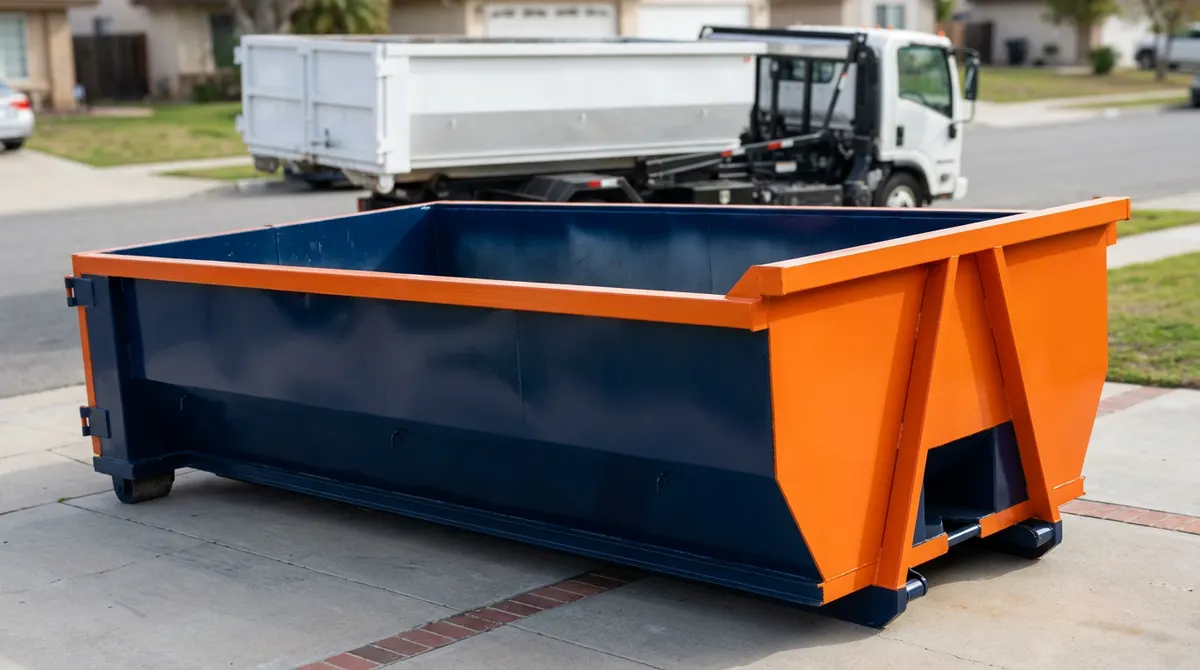
Properly loading a dumpster in Santa Ana, CA, involves strategic placement of debris, understanding fill lines, and knowing what materials are prohibited to prevent additional charges and ensure efficient removal. This guide details effective loading techniques for residents and contractors managing waste from renovations, cleanouts, and construction projects across Santa Ana neighborhoods like Washington Square and Morrison Park, considering local conditions and regulations.
Load Heavy Items First
<p>Loading heavy items first in a dumpster establishes a stable base and helps distribute weight evenly, which is crucial for safety and avoiding tonnage overages. This method is particularly useful for projects in Santa Ana's older neighborhoods, such as Floral Park and French Park, where historic home remodels often generate dense materials like plaster, lath, and concrete. The recommended approach involves placing construction and demolition (C&D) debris at the bottom. For example, broken concrete from a driveway tear-out near the Santa Ana River Trail should be placed before lighter wood or drywall. </p><ol><li><strong>Position heavy items in the center:</strong> Begin by placing the densest materials, such as bricks, asphalt, or large chunks of soil from landscaping in Orange County's clay-heavy soil, directly over the dumpster's wheels. This centralizes the weight, preventing the dumpster from becoming unbalanced during transport.</li><li><strong>Spread materials evenly across the floor:</strong> After the initial placement, distribute subsequent heavy items to fill the remaining floor space. This creates a flat loading surface, optimizing the dumpster's capacity and preventing empty pockets that reduce efficiency.</li><li><strong>Layer heavier items before lighter ones:</strong> Continue layering heavy items, ensuring each layer is as flat as possible. This flat loading technique prevents lighter debris from becoming trapped beneath heavier objects, making it easier to fill the dumpster to its maximum usable volume without exceeding the fill line.</li><li><strong>Consider dumpster door access:</strong> If the dumpster has a rear door, utilize it for walking in heavier items, such as large appliances or furniture. This reduces lifting strain and allows for more precise placement near the front of the container.</li></ol>
Breaking Down Bulky Debris
<p>Breaking down bulky debris into smaller, manageable pieces maximizes dumpster space and helps avoid overfill, which is a common issue in dense residential areas of Santa Ana. Disassembly of large items like furniture, cabinetry, or non-hazardous renovation waste is a key strategy for efficient dumpster use. For instance, an old shed from a property in Cabrillo Park can be dismantled into individual planks and panels. This approach ensures that the total volume of waste fits within the dumpster's capacity, preventing the need for an additional rental or overage fees. </p><p>Large items like couches, mattresses, or old fencing from properties in Wilshire Square often have significant empty space. Disassembling these items by removing legs, breaking down frames, or cutting materials into smaller sections can reduce their footprint by 30% to 50%. This creates more room for other debris, making the dumpster a more cost-effective solution for comprehensive cleanouts. Tools such as saws, hammers, and pry bars are often sufficient for this task. </p><p>For construction debris generated near Santa Ana College, such as old framing lumber or drywall sheets, cutting pieces to uniform lengths allows for a more compact load. This method, often referred to as compaction through organization, prevents large, irregular items from creating voids that limit the overall capacity. The goal is to achieve an even weight distribution and a flatter top surface, which also aids in safe tarping for transport.</p>
Staying Below the Fill Line
<p>Staying below the fill line is a critical requirement for dumpster rentals in Santa Ana, ensuring safe transport and compliance with local regulations. The fill line, typically marked on the interior walls of the dumpster, indicates the maximum height to which debris can be loaded. Exceeding this line, known as no overfill, creates a hazardous situation where debris can spill during transit on major roads like Interstate 5 or SR-55. This also risks fines for the hauler and potential delays in waste removal. </p><p>Haulers are legally required to tarp dumpsters before transport, and an overfilled container cannot be properly secured. This means that if a dumpster is loaded above the fill line at a site in Riverview West, it may not be picked up until the excess debris is removed by the customer. This can lead to project delays and additional fees for standby time or return trips. </p><p>Even weight distribution plays a significant role in maintaining the fill line. If debris is piled high in one section and low in another, the overall load becomes unstable. Distributing materials evenly helps keep the entire load beneath the fill line while maximizing the usable space. For example, when clearing out an estate in Park Santiago, ensure that furniture pieces and boxes are spread out rather than stacked precariously high in a single corner. The goal is a level load that sits securely within the container's boundaries, allowing for proper tarping and safe transport to the landfill, adhering to Orange County's landfill sorting rules.</p>
Mistakes That Trigger Overage Fees
<p>Several common mistakes made during dumpster loading can lead to unexpected overage fees, impacting the final cost of a dumpster rental in Santa Ana. Understanding these pitfalls helps customers manage their budgets and avoid disputes. </p><ul><li><strong>Exceeding the weight limit:</strong> Each dumpster size, from a 10-yard for a small cleanout to a 40-yard for major construction, has a specific weight limit included in the rental price. Materials like concrete, dirt, and asphalt are very heavy. Loading too much of these items, especially from landscaping projects on Orange County's clay-heavy soil, can easily push the total weight beyond the allowance. The minimum charge for a dumpster rental is $695, but exceeding the weight limit will incur additional tonnage fees.</li><li><strong>Loading prohibited items:</strong> Certain materials are not allowed in standard dumpsters due to environmental regulations or safety concerns. These typically include hazardous waste, tires, batteries, paints, oils, and appliances containing refrigerants. Attempting to dispose of these items can result in significant fines and specialized disposal charges. Residents near the Santa Ana Zoo at Prentice Park should consult local guidelines for proper disposal of household hazardous waste.</li><li><strong>Overfilling above the fill line:</strong> Loading debris above the top edge of the dumpster, as marked by the fill line, is a safety violation. Haulers cannot legally transport an overfilled dumpster due to the risk of debris falling onto public roads. If a dumpster is overfilled, the customer will be required to remove the excess materials before pickup, potentially incurring trip fees or additional rental days.</li><li><strong>Uneven weight distribution:</strong> Piling all heavy materials into one corner of the dumpster can make the load unstable and unsafe for transport. This can also damage the container or the truck. Even if the weight limit isn't exceeded, an unbalanced load may still require adjustment by the customer or incur a service fee.</li><li><strong>Not breaking down bulky items:</strong> Failing to disassemble large furniture or construction debris leaves significant empty space, forcing customers to rent a larger dumpster or multiple dumpsters. While not a direct overage fee, it leads to higher costs than necessary.</li></ul>
Dumpster Loading for Santa Ana Projects: FAQ
<p>Here are answers to common questions about loading dumpsters in Santa Ana.</p><dl><dt>What is the 'fill line' on a dumpster?</dt><dd>The 'fill line' is a marked line on the inside of the dumpster, indicating the maximum height to which debris can be loaded. All materials must remain below this line to ensure safe and legal transport, especially on Santa Ana's busy streets like Bristol Street or First Street.</dd><dt>Can I mix different types of debris in one dumpster?</dt><dd>Generally, mixed solid waste (MSW) dumpsters allow for a variety of non-hazardous materials like household junk, construction debris, and yard waste. However, specialized dumpsters for 'clean concrete' or 'clean dirt' exist for specific projects and usually have different pricing. Mixing these specific materials into a clean load can result in contamination fees.</dd><dt>What happens if I put prohibited items in the dumpster?</dt><dd>If prohibited items are found in the dumpster, the hauler may refuse pickup, or the customer could face additional fees for special handling, environmental fines, or both. Common prohibited items include hazardous waste, tires, batteries, and certain electronics. Our team provides resources for proper disposal of these materials.</dd><dt>Is it better to load heavy items at the front or back?</dt><dd>It is best to load heavy items first and distribute them evenly across the bottom of the dumpster, centered over the wheels. This ensures stability and prevents the dumpster from being front-heavy or back-heavy, which can affect pickup and transport.</dd><dt>How can I estimate the weight of my debris?</dt><dd>Estimating debris weight can be challenging. For common materials, general guidelines exist (e.g., a cubic yard of concrete weighs approximately 2 tons). When in doubt, it's often safer to choose a dumpster with a slightly higher weight limit if your project, such as a major remodel in Downtown Santa Ana, involves a lot of dense materials like plaster or masonry. Local dumpster rental providers like those serving Santa Ana can offer guidance.</dd></dl>
Quick questions
What is the 'fill line' on a dumpster?
The 'fill line' is a marked line on the inside of the dumpster, indicating the maximum height to which debris can be loaded. All materials must remain below this line to ensure safe and legal transport, especially on Santa Ana's busy streets like Bristol Street or First Street.
Can I mix different types of debris in one dumpster?
Generally, mixed solid waste (MSW) dumpsters allow for a variety of non-hazardous materials like household junk, construction debris, and yard waste. However, specialized dumpsters for 'clean concrete' or 'clean dirt' exist for specific projects and usually have different pricing. Mixing these specific materials into a clean load can result in contamination fees.
What happens if I put prohibited items in the dumpster?
If prohibited items are found in the dumpster, the hauler may refuse pickup, or the customer could face additional fees for special handling, environmental fines, or both. Common prohibited items include hazardous waste, tires, batteries, and certain electronics. Our team provides resources for proper disposal of these materials.
Is it better to load heavy items at the front or back?
It is best to load heavy items first and distribute them evenly across the bottom of the dumpster, centered over the wheels. This ensures stability and prevents the dumpster from being front-heavy or back-heavy, which can affect pickup and transport.
How can I estimate the weight of my debris?
Estimating debris weight can be challenging. For common materials, general guidelines exist (e.g., a cubic yard of concrete weighs approximately 2 tons). When in doubt, it's often safer to choose a dumpster with a slightly higher weight limit if your project, such as a major remodel in Downtown Santa Ana, involves a lot of dense materials like plaster or masonry. Local dumpster rental providers like those serving Santa Ana can offer guidance.
Need it handled now? See Dumpster Rental in Santa Ana.